
CS Everyone Computer Science and AI Microcredentials
We designed our CS Everyone microcredentials to prepare educators to bridge the gap between research and practice in K-12 computer science and AI education.
Teachers engage in flexible asynchronous coursework that translates high-level technical theory into practical pedagogical practice. No matter your comfort level with technology, this University of Florida-developed program equips you with tools to overcome educational barriers and prepares your students to be future-ready.
Successful participants earn a Credly badge, which many districts and schools accept for continuing education credits.
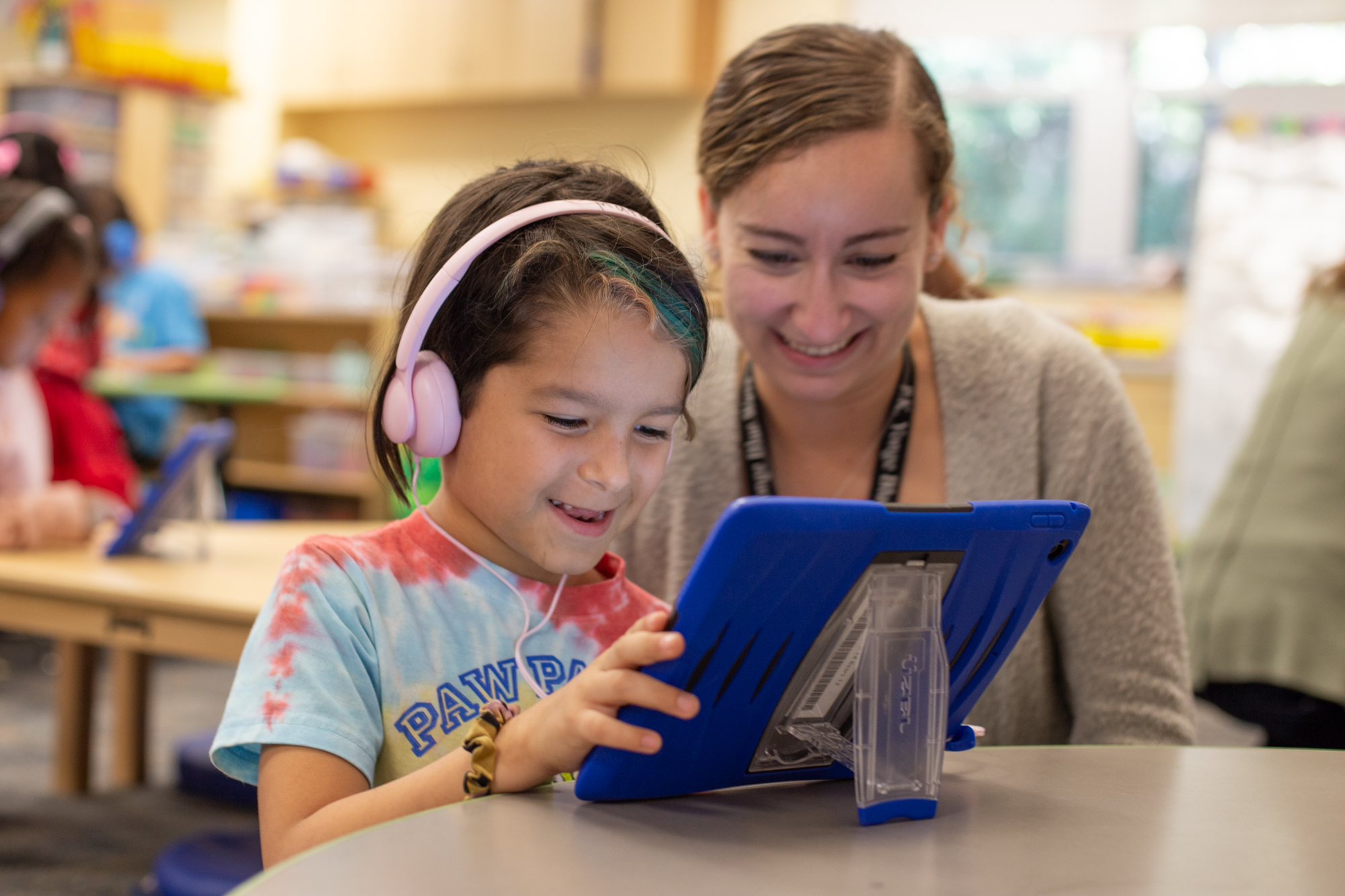
Our K-12 Computer Science Professional Development is by Teachers for Teachers
CS Everyone offers tiered, bite-sized pathways designed to align with a teacher’s schedule and needs. Many existing AI and CS training opportunities are written by developers for developers. We remove the frustration caused by high-level technical theory that lacks a translation into K-12 computer science pedagogy. We welcome teachers who feel they don’t belong in the CS world by offering an educator-centric environment where you don’t need to be a “math person” or “tech person” to succeed.
While webinars often offer “cool tools,” we provide long-term classroom strategies. We know teachers are busy, so we focus on foundational CS concepts first. However, we are also developing courses that provide advanced expertise for those eager to go deeper. Transform your relationship with technology and computational thinking into a strategic asset for your career and students.
Courses take up to 20 hours to complete. Upon finishing, you can request documentation verifying your 20 hours of professional learning.
Microcredential Benefits
Our courses are aligned with the Computer Science Teachers Association (CSTA) Standards.
Our K-12 computer science and AI courses provide educators with:
- Vocabulary to confidently explain concepts
- An accessibility plan for their teaching environment
- A curated list of unplugged activities
- An evaluated curriculum that is ready for Monday morning
- A Credly badge of completion
We teach educators the following concepts and how they relate to K-12 CS and AI education:
- Computational Thinking
- Algorithmic Thinking
- POUR Framework
- High-Leverage Practices (HLP)
- Universal Design for Learning (UDL)
- Learner Variability
Three Tracks to Build Expertise
K-12 CS Education
The CS Everyone K-12 CS Education microcredential is an introduction to foundational concepts in computational thinking. It includes strategies for classroom integration and lesson plan development.
Artificial Intelligence in K-12 Education
Demystify artificial intelligence and learn how to effectively integrate its power into your K-12 classroom. This course provides essential knowledge to navigate the complexities of AI and transform your teaching.
K-12 CS for Learners with Disabilities
Equip yourself with the tools to make computer science accessible and engaging for students with disabilities. Learn to identify hidden barriers in your curriculum and design CS lessons that empower every learner to succeed.
Tuition & Support
Tuition is just $60 per course. Funding assistance and waivers may be available for some courses. Contact us to learn more.
We also offer group registration for schools and districts. Learn more about how CS Everyone microcredentials can benefit your private, public or charter school.
How to Enroll
Choose the course you are interested in to find out when it is offered and follow the instructions on the registration page to enroll. Contact us if you have questions or need assistance.
- K-12 CS Education Microcredential
- Artificial Intelligence in K-12 Education
- K-12 CS for Learners with Disabilities
- UDL in K-12 CS Education
Designed for all educators
Our K-12 computer science microcredential courses are designed for:
- K-12 teachers, regardless of subject
- Special education professionals
- Instructional coaches
- Subject matter experts
- Administrators
- Industry professionals wanting to learn more about education
